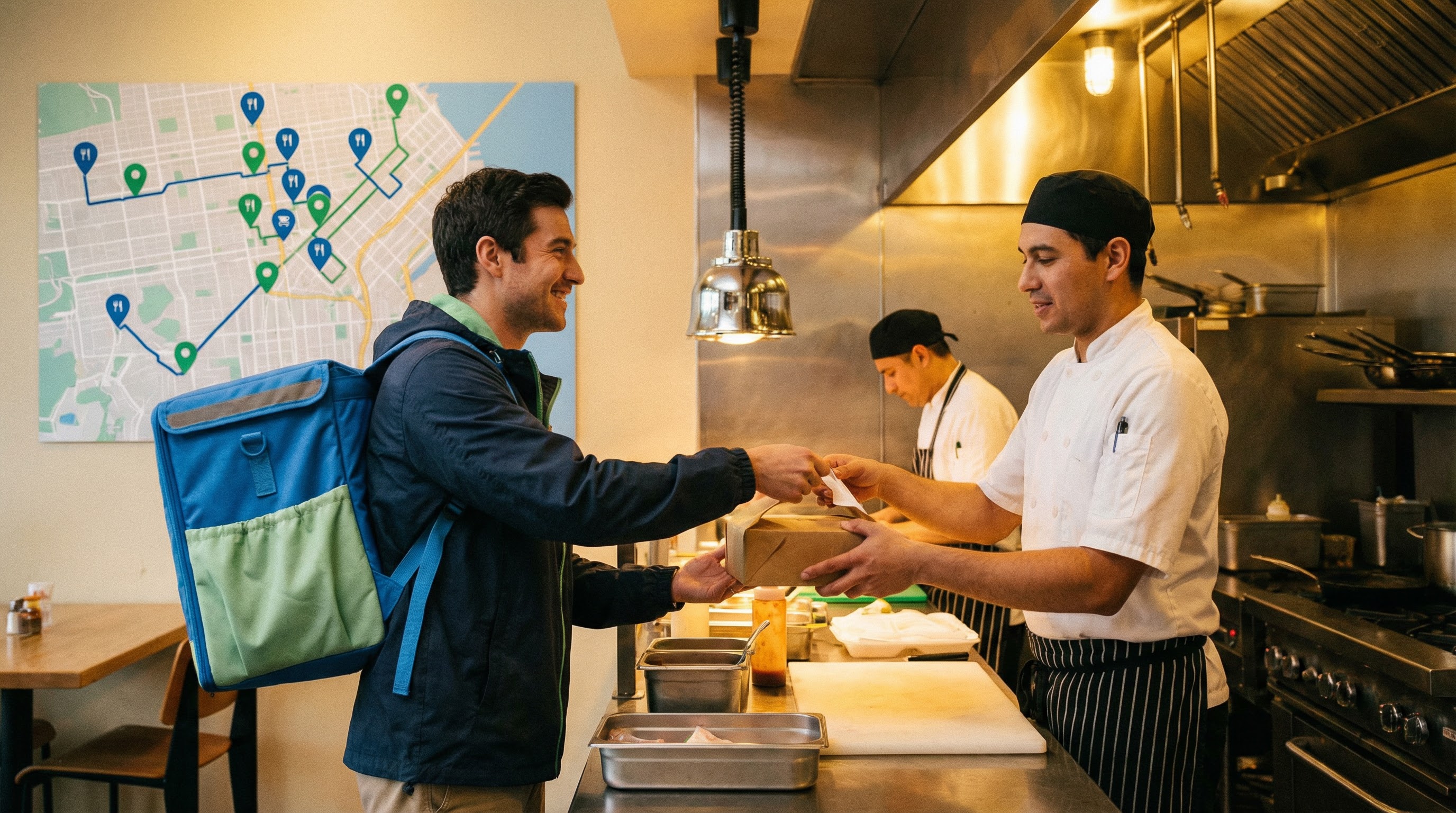
80% less route planning time, 97% on-time delivery
Leading QSR chain
The challenge
The operations team spent over three hours every day on manual dispatch and route planning. Late deliveries were increasing and "where is my order?" calls were tying up support.
The solution
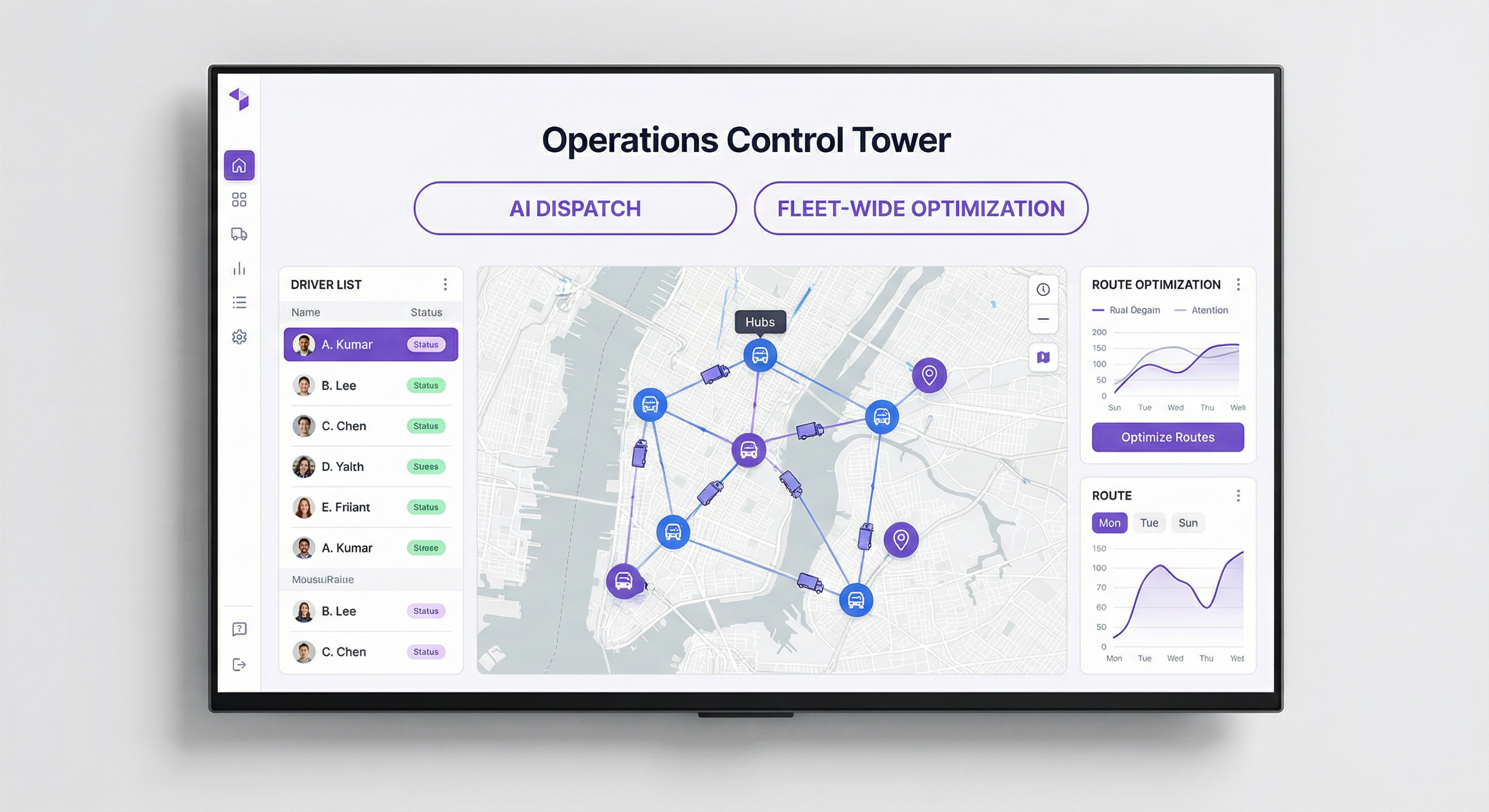
Geofleet’s AI dispatch and route planner automated order assignment and optimization. Drivers received turn-by-turn navigation and ePOD in a single app, so they could focus on delivery instead of paperwork.
Background
This national quick-service restaurant chain operates hundreds of locations with a mix of owned and franchised delivery fleets. Peak hours put enormous pressure on operations: lunch and dinner rushes required manual order assignment, ad-hoc route planning, and constant phone coordination with drivers. Support teams were overwhelmed with "where is my order?" (WISMO) calls, and on-time delivery rates had slipped below 85%.
Approach
The company piloted Geofleet across 30 locations. Integration with their existing POS and order management system was completed in under two weeks. Dispatchers were trained on the control tower and AI-assisted assignment; drivers onboarded via the Geofleet mobile app for navigation and ePOD. The team ran a 90-day proof of value before rolling out to the full fleet.
Results
Route planning time dropped from over three hours per day to under 40 minutes. On-time delivery improved to 97% within the first quarter. WISMO-related support tickets fell by 60%, and driver satisfaction increased as they spent less time on paperwork and more time on the road with clear, optimized routes.
Just as important, the gains held during peak lunch and dinner rushes — the exact windows where the old manual process broke down. Because assignment and re-sequencing now happen in seconds, a sudden surge of orders no longer cascades into a backlog of late deliveries and angry calls.
Why it mattered
For a QSR brand, late delivery is not just an operational metric — it is a brand and food-quality problem. A meal that arrives cold or 20 minutes late costs a refund, a one-star review, and often a lost repeat customer. Pushing on-time delivery from the low-80s to 97% directly protected average order value and franchisee satisfaction across owned and franchised locations.
The control tower also gave regional managers something they never had before: a like-for-like view of delivery performance across every location, so underperforming stores could be coached with data instead of anecdotes.
What changed for the team
Dispatchers stopped spending the first three hours of every shift building routes by hand and instead managed by exception — stepping in only when the AI flagged a conflict or a driver ran behind. Support agents fielded far fewer "where is my order?" calls because customers had accurate ETAs, freeing that team to focus on genuine service recovery.
Drivers reported the biggest day-to-day change: one app for navigation and proof of delivery meant no more juggling paper manifests, separate map apps, and phone calls to the store. ePOD completion climbed to 99%, giving the brand clean, audit-ready records for every drop.
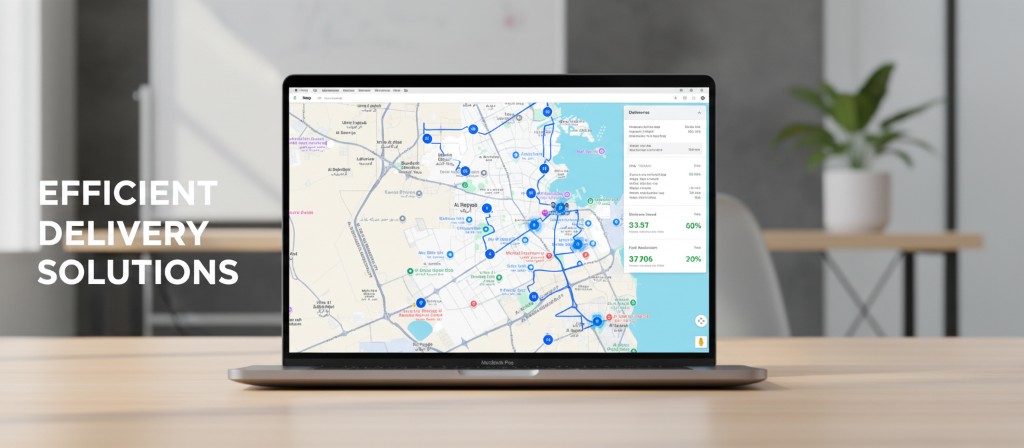
Key performance indicators
Before vs after Geofleet (90-day pilot, 30 locations)
| Metric | Before | After |
|---|---|---|
| Daily route planning time | 3+ hours | < 40 min |
| On-time delivery rate | 84% | 97% |
| WISMO support tickets | Baseline | -60% |
| Driver ePOD completion | ~70% | 99% |
Operational impact
Implementation timeline
POS/OMS integration and environment setup; first orders flowing into Geofleet.
30 locations live; dispatcher and driver training; baseline metrics captured.
Time windows and capacity rules refined; AI models learning from completed deliveries.
Executive review of KPIs; go-ahead for fleet-wide deployment.
Key takeaways
- AI route optimization and one-click dispatch cut daily planning from over 3 hours to under 40 minutes.
- On-time delivery improved to 97%, reducing customer complaints and support load.
- Unified control tower and driver app (navigation + ePOD) gave full visibility and audit-ready proof.
- Gains held through peak lunch and dinner rushes, where the old manual process used to break down.
- Pilot-to-rollout approach allowed the team to prove value in 90 days before scaling.
Frequently asked questions
How quickly did the QSR chain see results?
Integration with the existing POS and order management system took under two weeks, and on-time delivery reached 97% within the first quarter. The team ran a 90-day proof of value across 30 locations before approving a fleet-wide rollout.
How did Geofleet reduce route planning time by 80%?
AI dispatch and the route planner automated order assignment and multi-stop optimization using time windows, capacity, and live traffic. Dispatchers moved from building routes by hand to one-click dispatch and managing only the exceptions the system flagged.
What caused the 60% drop in WISMO calls?
Customers received accurate, automatically updated ETAs, so far fewer of them called to ask where their order was. Support agents could then focus on genuine service recovery instead of routine status checks.
Did the improvements hold during peak rushes?
Yes. Because assignment and re-sequencing happen in seconds, the lunch and dinner surges that used to overwhelm manual dispatch no longer cascaded into late deliveries. The 97% on-time rate was sustained through peak periods.
How did drivers benefit?
Drivers used a single app for turn-by-turn navigation and proof of delivery instead of juggling paper manifests, separate map apps, and store phone calls. ePOD completion rose to 99%, giving the brand audit-ready records for every drop.
"We now have one control tower for our entire delivery operation. Route planning time dropped by 80% and on-time delivery improved to 97%."
Operations · Restaurants & QSR
Related case studies
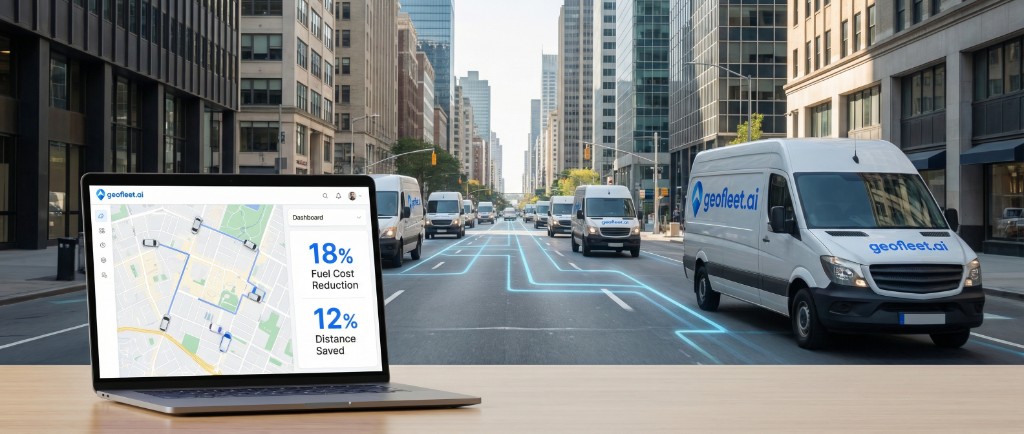
30% fuel savings and 40% more stops per driver
Six-figure recovery in carrier refunds in Year 1

80% fewer delivery disputes with ePOD and AI validation
Get similar results
See how Geofleet can help your team. Start free or book a tailored demo.