Quick answer
Stop managing deliveries on a WhatsApp group when you have more than two or three drivers, orders get missed or delivered twice, customers call to ask where orders are, or nobody can say who holds the cash. Replace the group with delivery software that assigns orders to drivers, plans routes, sends customers tracking links and records proof, and keep WhatsApp as the customer messaging channel.
Why do small businesses dispatch on WhatsApp?
Because it costs nothing and needs no training. Drivers already have it, voice notes are faster than typing, and a location pin is one tap. For a business with one or two drivers doing a few deliveries a day, a group chat is a perfectly reasonable dispatch tool.
What breaks first?
No status
- What it looks like
- “Did anyone take the Bedok order?”
- Why the group cannot fix it
- Messages cannot be assigned, completed or marked late
Lost orders
- What it looks like
- An order scrolls out of view during a busy hour
- Why the group cannot fix it
- There is no list of what is still open
No routes
- What it looks like
- Two drivers cross the same area in opposite directions
- Why the group cannot fix it
- Nobody sees all stops on one map
Customer calls
- What it looks like
- “Where is my order?” several times a day
- Why the group cannot fix it
- Customers cannot see the driver themselves
Missing proof
- What it looks like
- A disputed delivery with no photo or name
- Why the group cannot fix it
- Photos, when taken, are buried in the chat
Cash gaps
- What it looks like
- End-of-day totals do not match
- Why the group cannot fix it
- Collections are not tied to orders
| Problem | What it looks like | Why the group cannot fix it |
|---|---|---|
| No status | “Did anyone take the Bedok order?” | Messages cannot be assigned, completed or marked late |
| Lost orders | An order scrolls out of view during a busy hour | There is no list of what is still open |
| No routes | Two drivers cross the same area in opposite directions | Nobody sees all stops on one map |
| Customer calls | “Where is my order?” several times a day | Customers cannot see the driver themselves |
| Missing proof | A disputed delivery with no photo or name | Photos, when taken, are buried in the chat |
| Cash gaps | End-of-day totals do not match | Collections are not tied to orders |
What does chat-group dispatch really cost?
The group is free; running deliveries through it is not. Put rough numbers on your own week:
- Planning time: minutes spent each wave posting and reshuffling orders, multiplied by waves per week.
- Customer calls: calls and messages asking for an update, each one interrupting someone serving in the shop.
- Failed and repeat deliveries: wrong addresses, customers not home, and orders delivered twice.
- Cash differences: unexplained gaps between COD collected and cash handed in.
- Disputes lost: orders refunded because there was no proof of delivery.
For most teams with four or more drivers, one week of those costs is larger than a month of entry-level delivery software.
Signs it is time to move on
- You have more than three drivers, or more than one delivery wave a day.
- An order was missed or delivered twice in the last month.
- Customers call or message for updates every day.
- You cannot answer “who holds how much cash right now?” without asking each driver.
- Planning a wave takes longer than delivering the first stop.
What to use instead
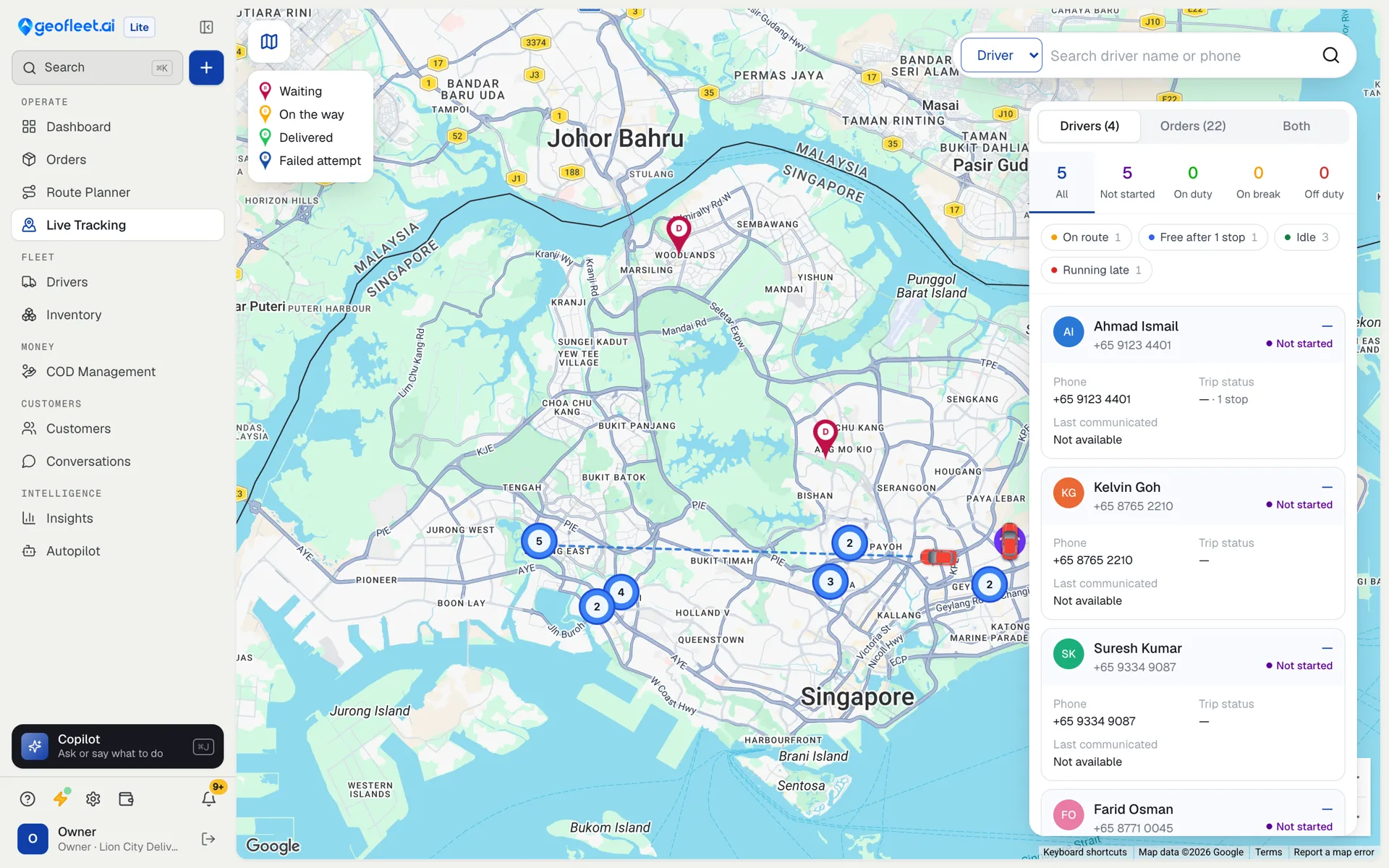
You need a tool that gives every order a state, owner and place on a map. For a business delivering from one location, look for these:
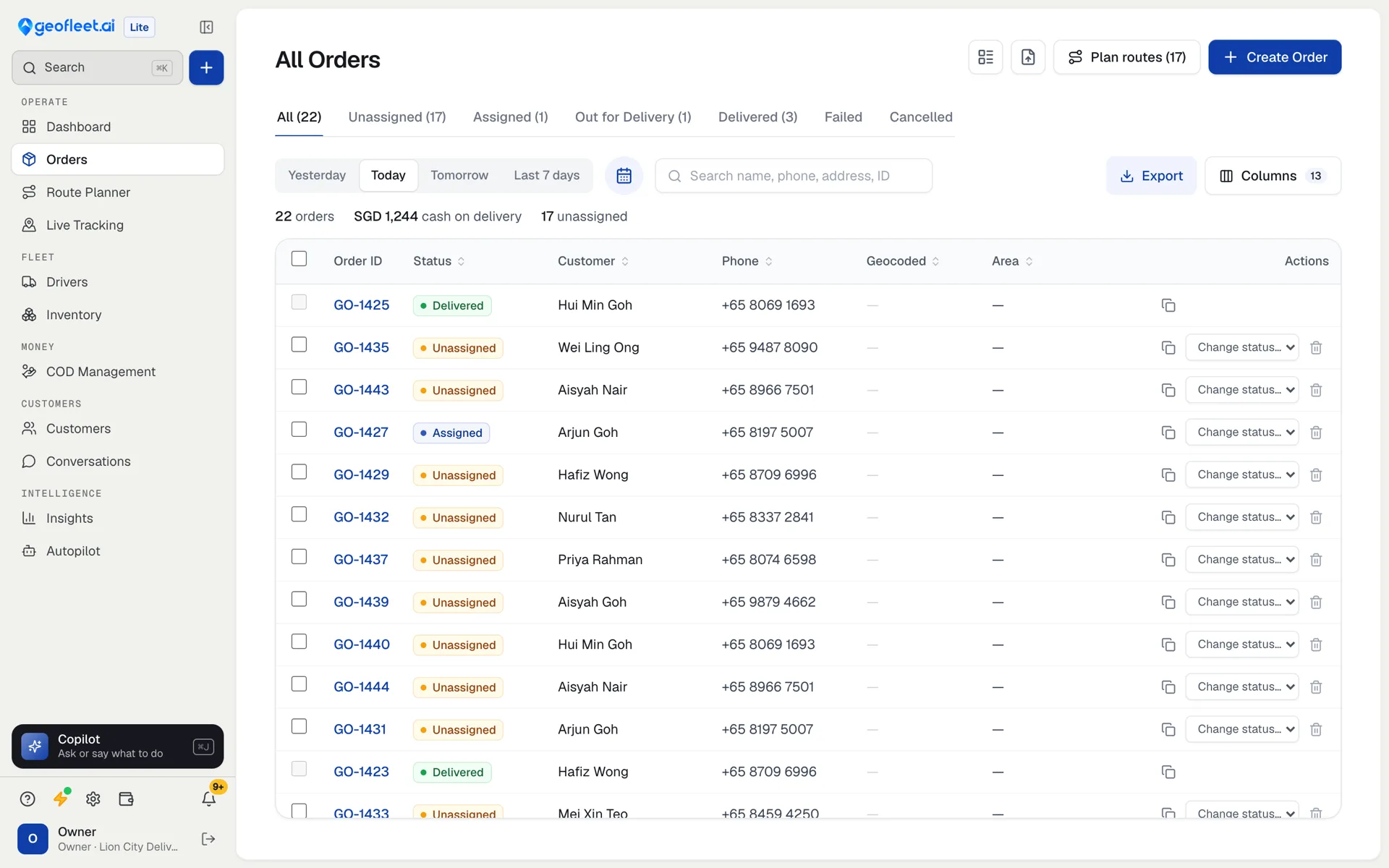
- Orders with a status: unassigned, assigned, out for delivery, delivered or failed.
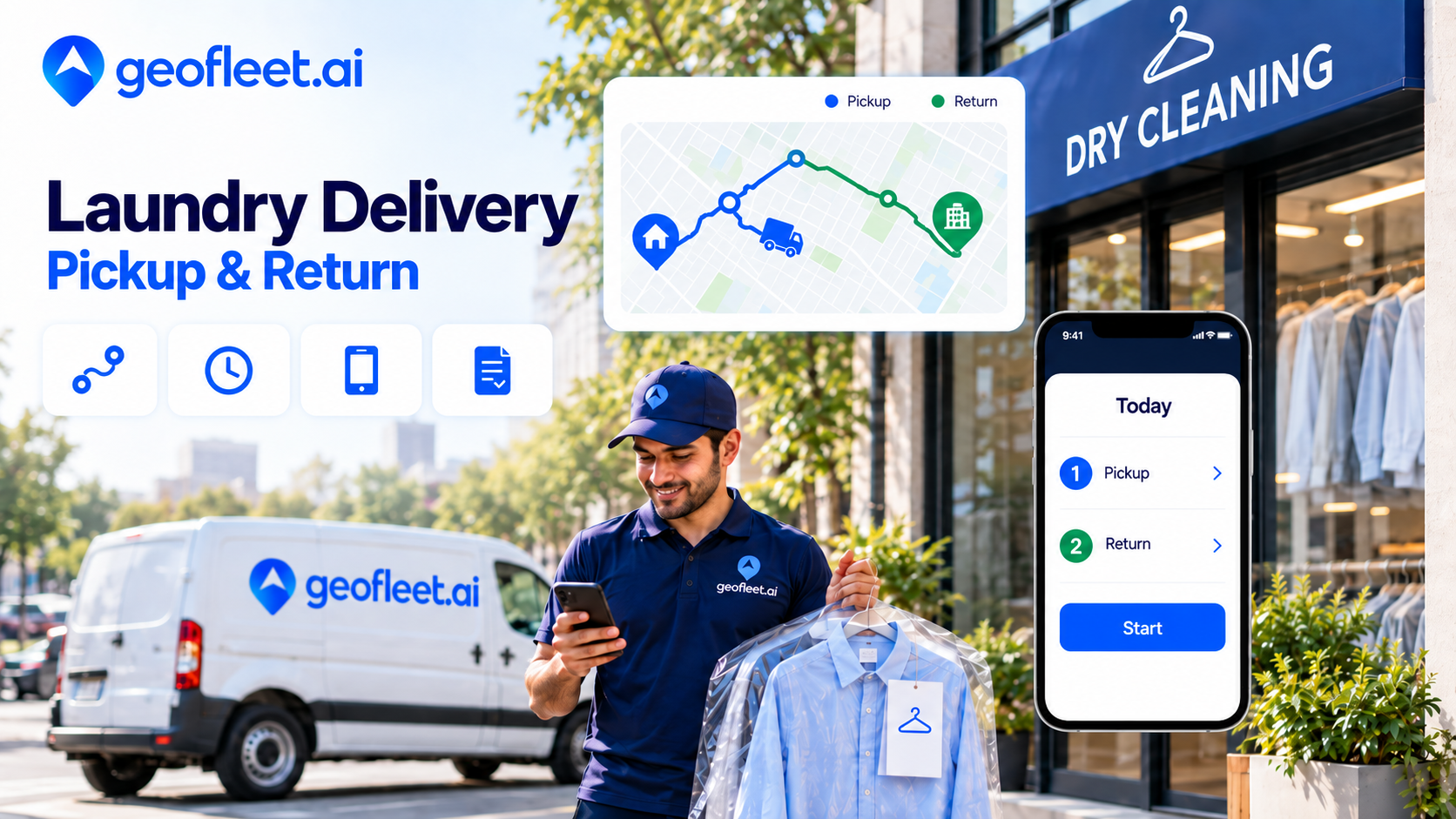
- A route planner that starts and ends at your hub and splits the wave between drivers.
- A driver app showing the current stop, navigation, a call button and proof capture.
- A tracking link per order, so customers can see the driver without calling.
- Cash on delivery tied to each order and settled per driver.
Keep WhatsApp for customers, not for dispatch
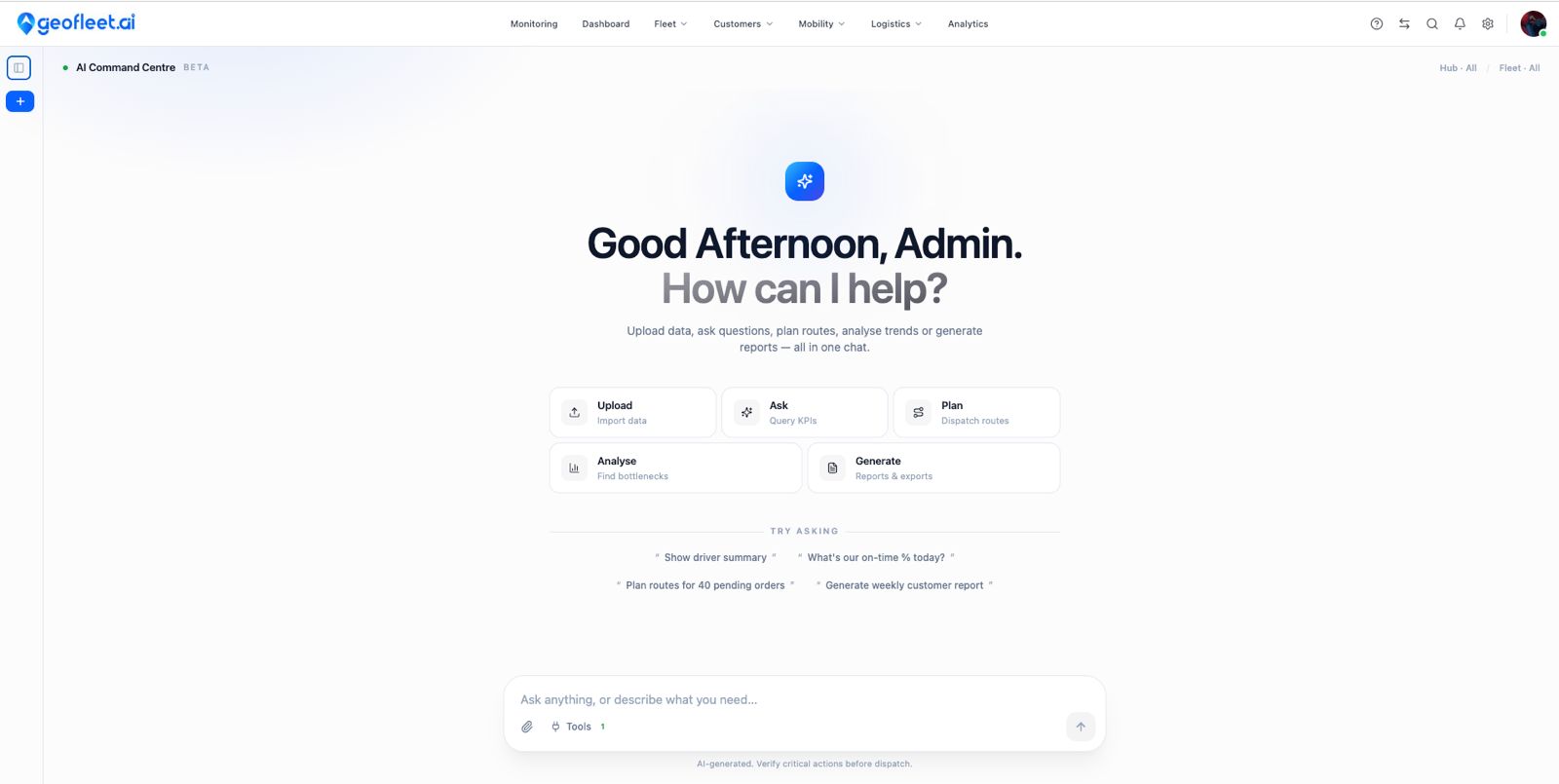
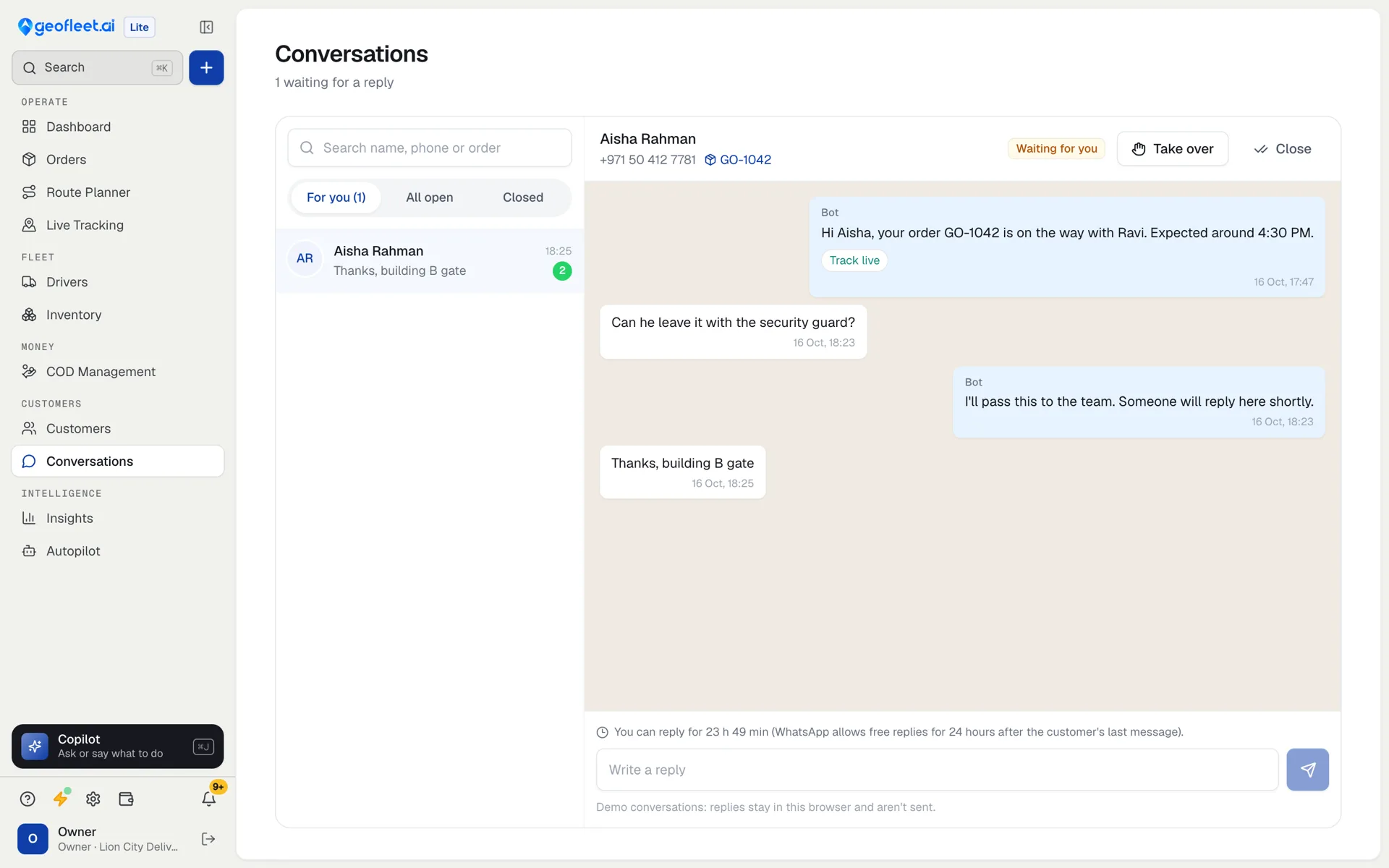
Customers like WhatsApp, and that is worth keeping. The difference is that updates should come from your system, triggered by the order’s status, rather than typed by hand. Geofleet Lite connects to your own WhatsApp Business number: customers get delivery updates and a tracking link, and a bot handles tracking, rescheduling and address changes. Anything the bot cannot handle lands in a Conversations inbox for your team. WhatsApp only lets a business start a chat with a template Meta has approved, so submit your templates during setup.
How to switch in one week
- Day 1: add your pickup location, drivers and delivery rules; drivers install the app.
- Day 2: put one route into the software and keep the rest in the group.
- Day 3: send that route’s customers tracking links and require photo proof.
- Day 4: move every route over; the group becomes chat only.
- Day 5: settle cash per driver in the software and review the first week’s failed deliveries.
Geofleet Lite is built for this move: one hub set once, the whole delivery day on one screen, and WhatsApp kept for customers. It costs $49 a month with 3 drivers included.
Keep reading
Frequently asked questions
Can I manage deliveries with WhatsApp?
Yes, for one or two drivers. Beyond that, a WhatsApp group cannot track order status, plan routes, give customers live tracking or tie cash to orders, so mistakes and customer calls increase.
What is the best alternative to a WhatsApp delivery group?
Delivery management software with order status, route planning, a driver app, customer tracking links and COD settlement. For single-location businesses, Geofleet Lite covers this for $49 a month with 3 drivers.
Can delivery software send WhatsApp updates to customers?
Yes. Geofleet Lite connects to your WhatsApp Business number and sends updates from Meta-approved templates, with a bot for tracking and rescheduling and an inbox for replies.
Will my drivers accept a new app?
Usually within a day if the app is simpler than the group: one current stop, a navigate button, a call button and a proof step. Run one route together before switching everyone.