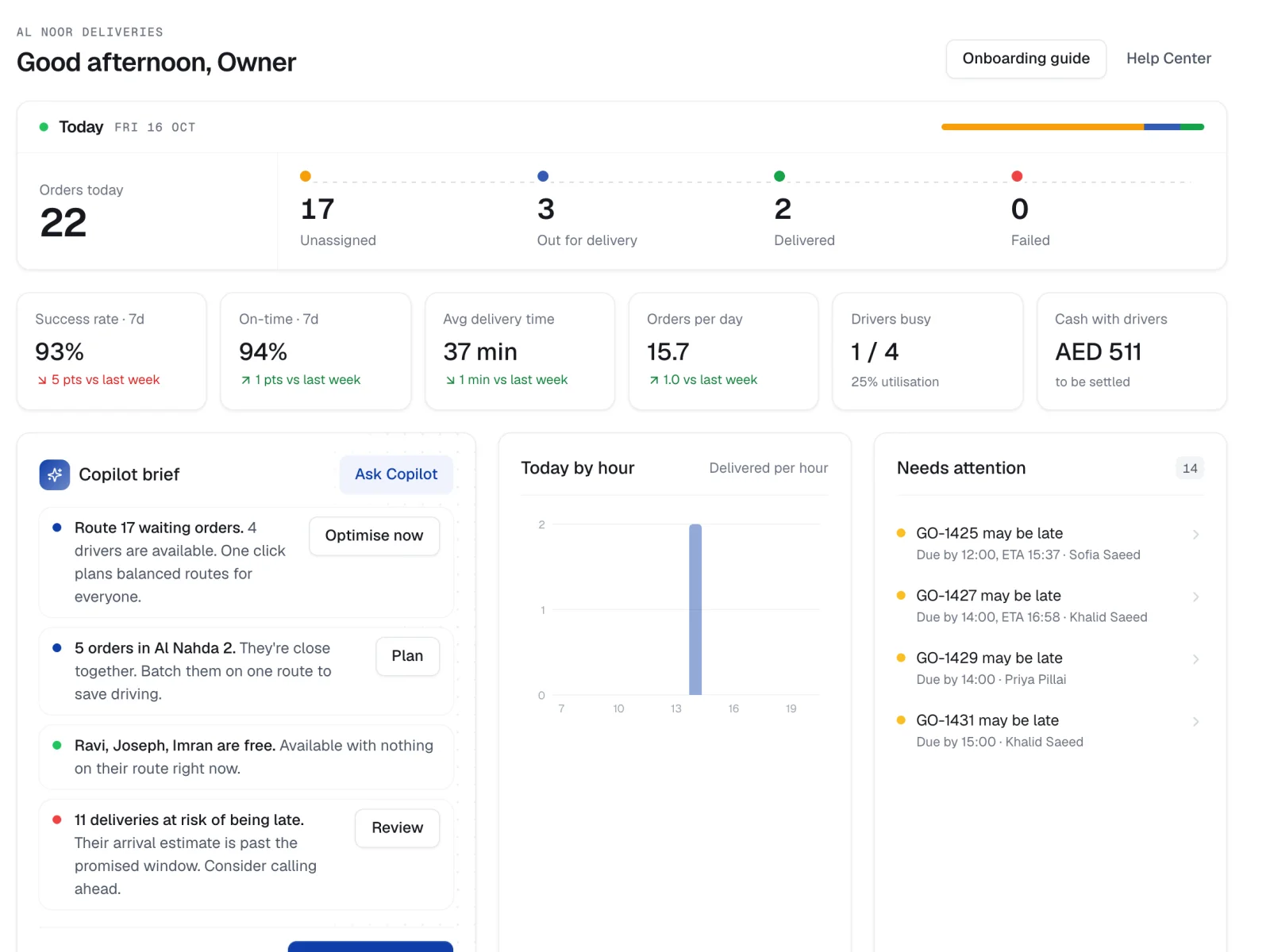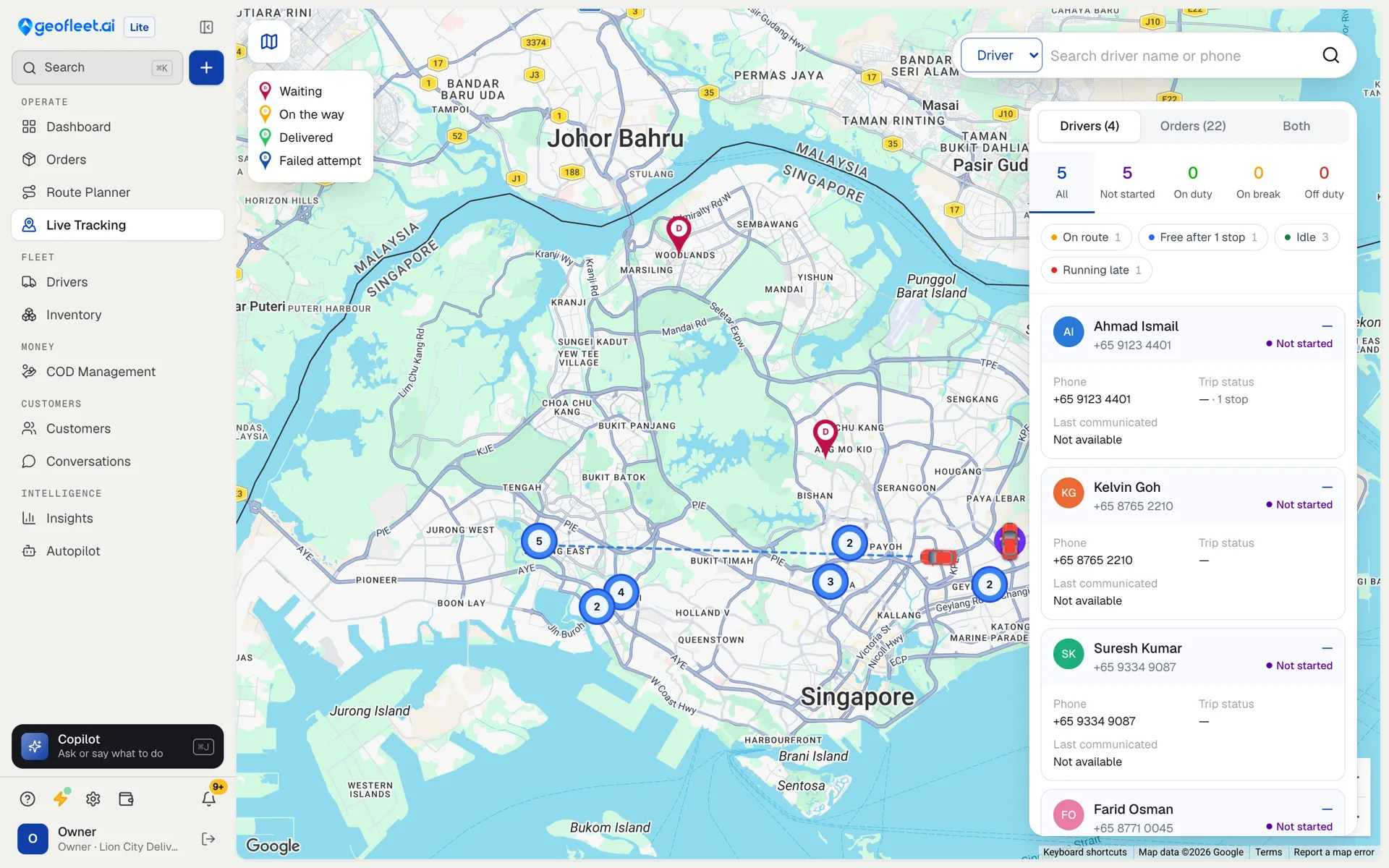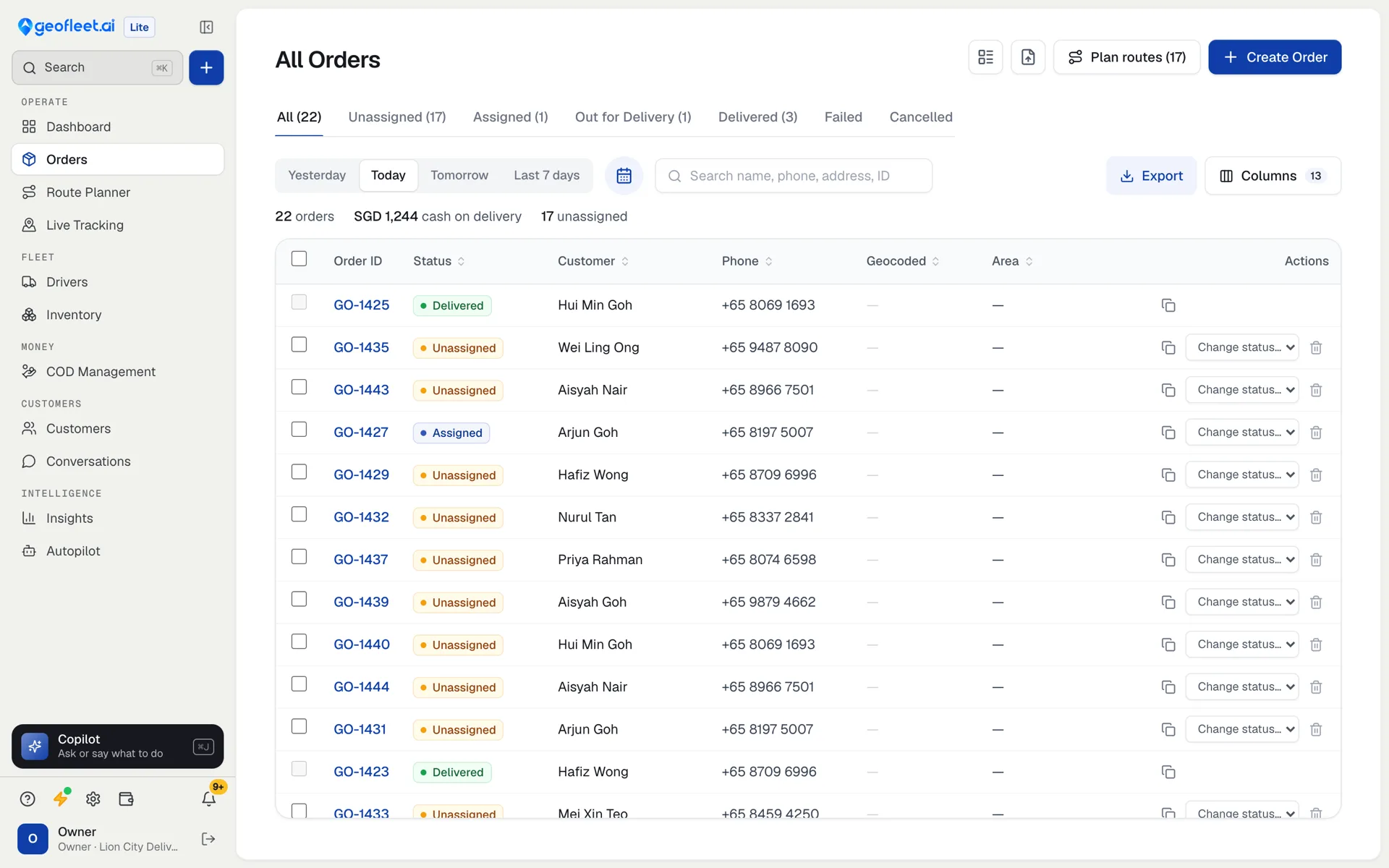
Last-mile delivery in 2026 is no longer powered by a single platform. It is driven by a network of interconnected systems that handle everything from order intake to delivery execution and customer communication. As businesses scale, the number of systems involved increases—each solving a specific part of the logistics workflow. Without proper integration, this complexity creates operational friction, data silos, and inefficiencies that directly impact performance and customer experience.
Orders may originate from multiple channels such as e-commerce platforms, marketplaces, or physical retail systems. Payments may be processed through different gateways or involve cash-on-delivery (COD). Customers expect real-time tracking, proactive notifications, and responsive support. Meanwhile, operations teams need visibility, control, and analytics to manage performance effectively. The challenge is not the availability of tools—it is how well these tools are connected.
- Orders come from multiple sources such as websites, marketplaces, and POS systems.
- Payments include a mix of online transactions and cash-on-delivery workflows.
- Customers expect real-time tracking, accurate ETAs, and seamless communication.
- Operations teams require visibility across dispatch, delivery, and performance metrics.
The key to managing this complexity is building a unified tech stack where systems communicate seamlessly. Instead of operating in isolation, each component should contribute to a single, coherent workflow that enables real-time decision-making and efficient execution.
Core Components of a Modern Last-Mile Tech Stack
A scalable last-mile tech stack is composed of several core systems, each responsible for a specific function. Understanding these components is the first step toward building an integrated architecture.
- Order source systems: These include OMS, POS, or e-commerce platforms where orders are created and managed. They act as the entry point for delivery operations.
- Delivery management platform: This is the core system responsible for routing, dispatch, allocation, and real-time tracking of deliveries.
- Execution layer: Includes driver applications and customer tracking interfaces that enable real-time interaction during delivery.
- Payments systems: Handle online transactions, COD reconciliation, and billing accuracy across orders.
- Support and analytics tools: Provide reporting, issue resolution workflows, and performance insights for continuous improvement.
Order source
- Examples
- OMS, POS, e-commerce
- Job to be done
- Capture demand
Delivery platform
- Examples
- Routing, dispatch
- Job to be done
- Plan and assign
Execution
- Examples
- Driver app, tracking
- Job to be done
- Carry out and update
Payments
- Examples
- Gateways, COD
- Job to be done
- Collect and reconcile
Insight
- Examples
- Support, analytics
- Job to be done
- Resolve and improve
| Layer | Examples | Job to be done |
|---|---|---|
| Order source | OMS, POS, e-commerce | Capture demand |
| Delivery platform | Routing, dispatch | Plan and assign |
| Execution | Driver app, tracking | Carry out and update |
| Payments | Gateways, COD | Collect and reconcile |
| Insight | Support, analytics | Resolve and improve |
Integration beats features
A stack of best-in-class tools that do not share data will underperform a modestly featured stack that is tightly connected. Prioritize how systems talk to each other over any single product spec sheet.
Each of these components plays a critical role, but their true value emerges only when they are tightly integrated and aligned around a shared data flow.
Why Integration Matters More Than Individual Tools
Many organizations invest heavily in best-in-class tools for each function but fail to integrate them effectively. This results in fragmented workflows where data must be manually transferred between systems, leading to delays, errors, and inconsistencies.
For example, if your order management system is not connected to your delivery platform, dispatchers may need to manually input orders. If delivery status is not synced back to customer-facing systems, support teams lack visibility, resulting in increased customer inquiries. These inefficiencies compound as operations scale.
A well-integrated stack ensures that data flows automatically between systems—orders are pushed to dispatch in real time, delivery updates are reflected instantly across platforms, and analytics tools have access to accurate, up-to-date information.
What to Integrate First (Practical Approach)
Building a tech stack should be approached incrementally. Attempting to integrate everything at once often leads to delays and complexity. Instead, prioritize integrations that deliver immediate operational impact.
- Connect your order system (OMS, POS, or e-commerce platform) directly to your delivery management platform.
- Ensure delivery status, ETAs, and updates are synced back to customer-facing systems in real time.
- Integrate payment systems to maintain accurate billing and reconciliation.
- Link customer support tools with delivery data to enable faster issue resolution.
These integrations form the foundation of a unified workflow, enabling real-time visibility and reducing manual effort across teams.
Common Mistakes to Avoid
Even with the right tools, poor implementation decisions can limit the effectiveness of your tech stack. Avoid these common pitfalls to ensure long-term success.
- Using multiple disconnected systems without integration, leading to data silos.
- Relying on manual data entry, which increases errors and slows down operations.
- Building unnecessary custom integrations that are difficult to maintain.
- Failing to establish a single source of truth for operational data.
Avoiding these mistakes ensures that your tech stack remains scalable, maintainable, and aligned with business goals.
"Connecting our order system with delivery operations transformed our workflow. We eliminated manual steps, improved visibility, and significantly increased efficiency."
— CTO, Multi-Brand Retailer
Designing a Future-Ready Tech Stack Architecture
A future-ready tech stack is not just about current needs—it must be designed to support growth, new business models, and evolving customer expectations. This requires a flexible architecture that can adapt without requiring a complete rebuild.
- Adopt API-first platforms that enable seamless integration.
- Ensure real-time data synchronization across all systems.
- Design workflows that can scale across multiple hubs and regions.
- Build modular systems that can be upgraded or replaced independently.
- Prioritize security, data governance, and compliance.
This approach ensures that your technology evolves with your business rather than becoming a bottleneck.
Practical Checklist for Building Your Stack
To simplify implementation, use the following checklist as a guide for building and optimizing your last-mile tech stack.
- Identify all systems involved in your delivery workflow.
- Map the data flow between systems from order creation to delivery completion.
- Prioritize integrations that impact operations directly.
- Implement real-time data synchronization wherever possible.
- Add payments, support, and analytics capabilities gradually.
- Review and optimize your stack regularly as your operations evolve.
Final Thoughts: From Tools to a Unified System
In 2026, the success of last-mile delivery operations will depend not on individual tools but on how well those tools work together. A disconnected stack creates inefficiencies, while an integrated system enables speed, accuracy, and scalability.
By focusing on integration, real-time data flow, and scalable architecture, businesses can build a tech stack that supports growth, improves customer experience, and drives operational excellence. The goal is simple: move from a collection of tools to a unified system that works as a single, intelligent platform.
Related reading
Frequently asked questions
What systems make up a modern last-mile tech stack?
A complete stack includes order source systems (OMS, POS, e-commerce), a delivery management platform for routing and dispatch, an execution layer (driver and customer apps), payment systems, and support and analytics tools.
Why does integration matter more than individual tools?
Disconnected best-in-class tools still create data silos, manual transfers, and errors. A well-integrated stack lets data flow automatically, enabling real-time visibility and reducing manual effort.
What should I integrate first?
Start by connecting your order system to your delivery platform, then sync delivery status back to customer-facing systems, integrate payments for accurate reconciliation, and link support tools to delivery data.
How do I keep my tech stack future-ready?
Adopt API-first platforms, ensure real-time data synchronization, design modular systems that can be upgraded independently, and prioritize security, data governance, and compliance.
Should I build a custom stack or buy a platform?
For most operations, buying an API-first delivery platform and integrating it beats building from scratch. Reserve custom development for genuinely unique workflows, not for core routing, dispatch, or tracking.
What is the most common tech-stack mistake?
Buying excellent point tools that never talk to each other. Disconnected systems recreate manual data entry and silos, which is exactly the inefficiency a modern stack is supposed to remove.